

IASTA 2026

27–30 Oct 2026 | IIT Kharagpur Research Park, Kolkata, West Bengal, India

Meet theSPEAKERS

PLENARY

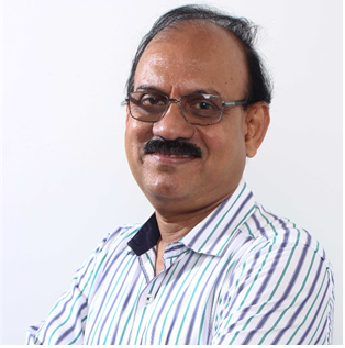
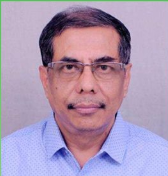
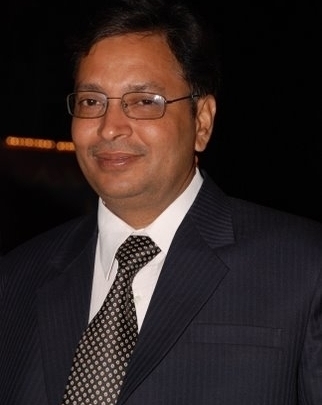
Dr. Mukesh Sharma
Plenary Speaker (October 27, 11:30 AM)

Dr. Mukesh Sharma

Professor-Emeritus, Department of Civil Engineering, IIT Kanpur, Kanpur - 208016, UP, India

More details

About the speaker

Dr. Mukesh Sharma, a Professor Emeritus in the Department of Civil Engineering, Indian Institute of Technology (IIT) Kanpur, India, is a fellow of the Indian National Academy of Engineering and member of World Health Organization (WHO) advisory group on air pollution and UN Sustainable Development Goals.

Dr. Mukesh Sharma obtained his bachelor's degree in civil engineering from University of Indore, Master's degree in Civil Engineering from IIT Kanpur and a Ph.D. Degree from University of Waterloo, Waterloo, Canada in 1994. Prior to Joining IIT Kanpur in 1997, he was employed with Central Pollution Control Board (CPCB), Delhi. He has been a visiting professor at University of Guelph, Canada and Kyoto University, Japan. His areas of research: air quality monitoring, modelling and management, exposure assessment and simulations. He has published/presented over 140 papers in journals and conferences. His significant contributions include (i) expert adviser to international agencies, WHO, International Council for Clean Transport (ICCT), Clean Air Asia, Manila, UNEP and the World Bank; (ii) development of national air quality index for the overall status of air quality and health impacts; and (iii) formulation of national air quality standards. International, national media and journals have highlighted his work; Nature, Science, The Economist, UK, British Broadcasting Corporation, Time Magazine, and Wall Street Journal.

Selected awards and recognitions

  • World Health Organization (WHO) Global Air Pollution and Health - Technical Advisory Group Member, 2021
  • Air Quality Research Lifetime Achievement Award, 2020 (IICAQM; IIT Madras, University of Bath, UK, Australian National University, Canberra)
  • Vasvik Award for Environmental Science & Technology, 2019
  • Kong Ha Award in Air Quality from Clean Air Asia, a UN supported foundation, 2012
  • Associate Editor, Int. Journal Env. Engineering Science and Journal of Urban Climate
  • Member Editorial Board, Int. Journal Human and Ecological Risk Assessment
  • Hiyoshi Environmental Award, Hiyoshi Corp., Japan, Excellence in Research and Technology, 2012
  • Recipient of Japan Society for the Promotion of Science (JSPS) Fellowship, 1998
  • Ministry of Environment (Ont.), Canada award for excellence in Research and Technology Development, 1994
  • Recipient of Faculty of Engineering Award for Excellence in Graduate Studies, University of Waterloo, Waterloo, Canada in three successive years: 1991, 1992 and 1993

Appointments to various national committees

  1. Member Project Review committee to review the progress of new Emission Inventory and Source Apportionment Studies in Delhi-NCR, Commission for Air Quality Management in NCR & Adjoining Areas
  2. Member Expert Committee for abatement of air pollution caused by vehicular emission, Commission for Air Quality Management in NCR & Adjoining Areas
  3. Member Expert Committee in compliance with the Hon'ble Supreme Court's order regarding to undertake a systematic study in reference to the functioning of the SPCBs as well as the PCCs, Commission for Air Quality Management in NCR & Adjoining Areas
  4. Expert member to the Coordination Committee on Air Quality Management in the Indo-Gangetic Plain (IGP) Airshed, Ministry of Environment, Govt. of India
  5. Expert Member, committee for assessing air quality data and recommending cities for inclusion under National Clean Air Programme (NCAP), Ministry of Environment, Govt. of India
  6. Member Expert Group on Air Pollution Mitigation, DPCC, Govt. of NCTD, Delhi
  7. Chairman CPCB Expert Committee on Ozone pollution Constituted in compliance with Original Application no. 1069 of 2024 before the Hon'ble NGT
  8. Nominated to the National Board for Wildlife (NBWL) relating to eminent conservationists, ecologists and environmentalists
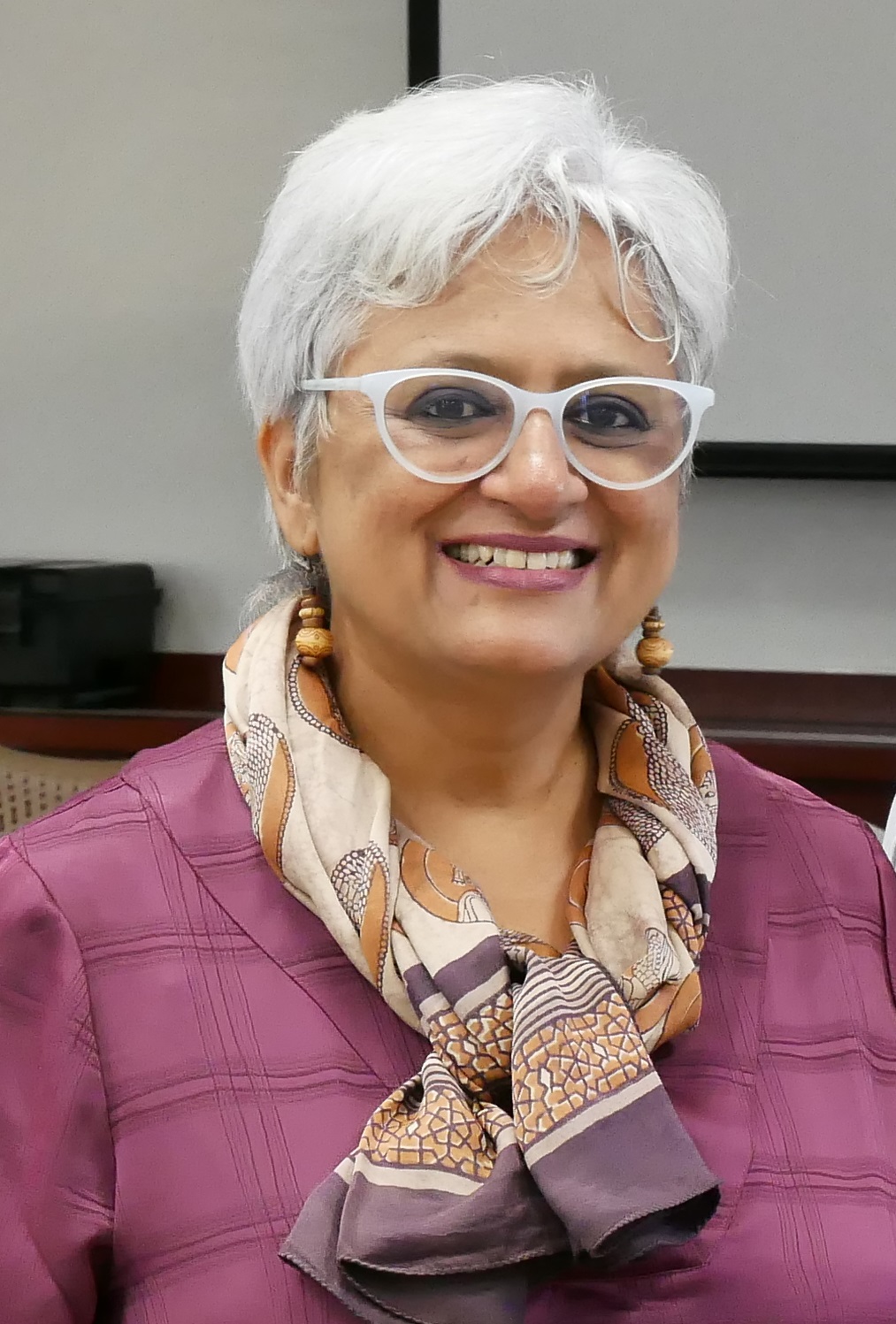
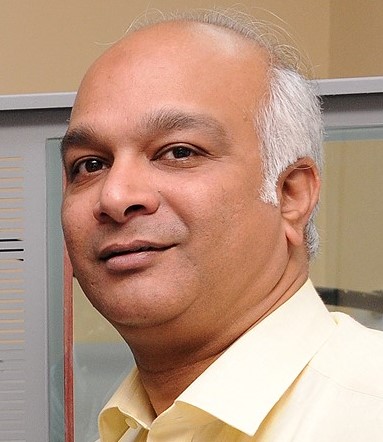
Prof. Chandra Venkataraman
Plenary Speaker (October 28, 2026, 09:00 AM)

Dr. Chandra Venkataraman

Department of Chemical Engineering and Centre for Climate Studies, IIT Bombay

Cleaning India’s Air: A Roadmap from Science to Solutions

More details

Abstract details

Read the abstract (PDF)

About the speaker

Chandra Venkataraman is a Professor in the Department of Chemical Engineering and the Centre for Climate Studies at the Indian Institute of Technology Bombay. She applies her expertise in aerosol science to research at the intersection of technology and emissions, climate science, and air quality. Her research has resulted in over 150 widely cited publications, a book, and four patents.

She was the Founding Head of the Centre for Climate Studies at IIT Bombay, and collaboratively led the multi-institutional COALESCE network (ncapcoalesce.iitb.ac.in) and the PAVITRA group. She participates in policy networks globally, including the Climate and Clean Air Coalition and the Global Burden of Disease working group. She has extensively mentored research students and supported the advancement of women in STEM.

She is a fellow of the National Academies of Science and Engineering in India (INAE-2016, IASc-2018, INSA-2022) and The World Academy of Sciences (2025). Her recognitions include an IIT Delhi Distinguished Alumni Award (2024), a Fulbright-Nehru Fellowship (2012), the PRL Vikram Sarabhai Award (2006), and teaching excellence awards at IIT Bombay.

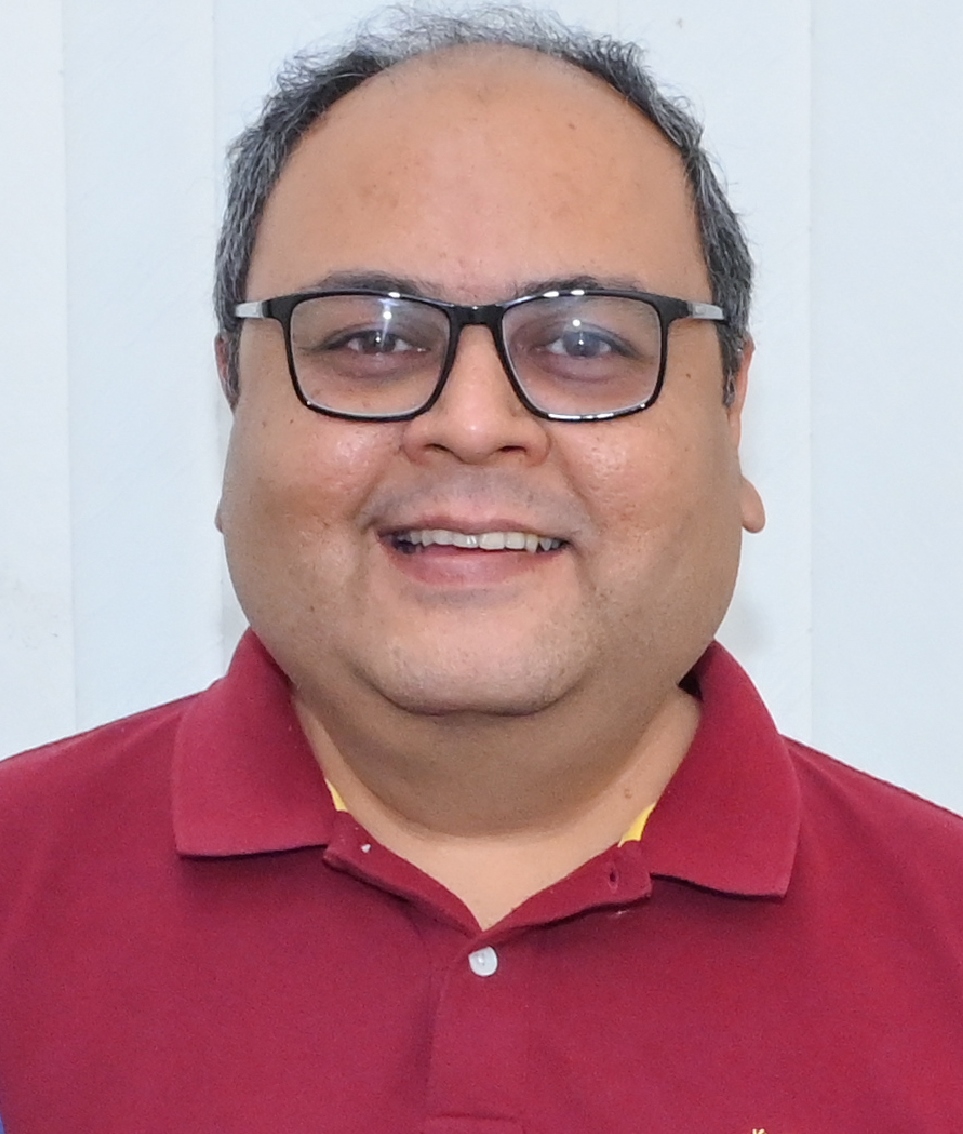
Prof. Y.S.Mayya
Plenary Speaker (October 29, 2026, 09:00 AM)

Dr. Y. S. MAYYA

Adjunct Professor in the Department of Chemical Engineering at the Indian Institute of Technology Bombay (IIT Bombay).

Modelling the propagation of respiratory diseases in indoor spaces via aerosol route.

More details

About the speaker

Prof. Y.S. Mayya, formerly from BARC, is a visiting faculty in the department of Chemical Engineering, IIT Bombay. He is an Aerosol Physicist engaged in studies on diverse aspects of fine particle science, its history and their technological applications for the past 51 years. He is associated with theoretical and experimental studies in the area of Electrospray air cleaner technology, aerosol charging, modelling of ionizer systems, plume coagulation, charged particle levitation, aerosol spray drying and transmission of diseases through aerosol route. His expertise includes radiation epidemiology, radiation safety, radon emission modelling and transport, nuclear aerosol behaviour and experimentation. He spear-headed the establishment of the first Nuclear Aerosol Test Facility in BARC, country-wide radon mapping project, and conceptualized the setting up of Outdoor Air Cleaning Systems in Delhi as a technological alternative for combating urban air pollution. He has authored 206 publications in refereed Journals and mentored generations of aerosol scientists during his long career at the Bhabha Atomic Research Centre and at the Indian Institute of Technology Bombay.

Prof. Y.S. Mayya was nominated an Aerosol Pioneer by American Association for Aerosol Research, in 2018. He was the President of the Asian Aerosol Research Assembly (2005-2007), member of the Editorial Board of Journal of Aerosol Science (2004-2014) and recipient of K.G. Vohra Memorial award (2018). He was conferred “IASTA Fellow” award in 2025.

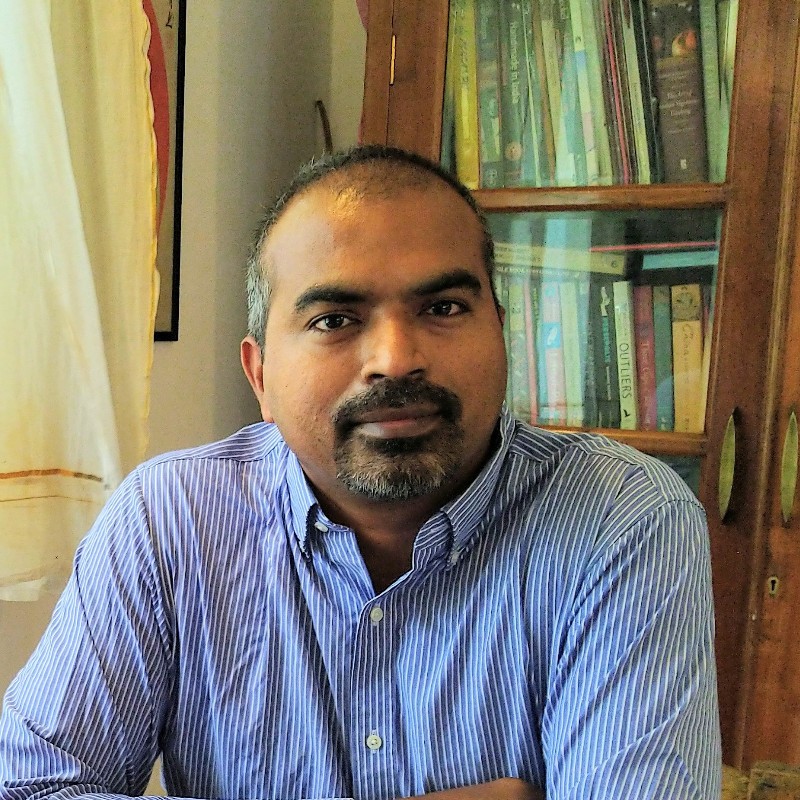
Prof. Srikanthan Ramachandran
Plenary Speaker (October 30, 2026, 09:00 AM)

Dr. S. Ramachandran

Senior Professor, Space and Atmospheric Sciences Division, Physical Research Laboratory, Ahmedabad, India

Aerosol Characterization and Composition: Key Issues and Challenges

More details

Abstract

Aerosols are a mixture of solid or liquid particles suspended in air. The sources of aerosol emissions are diverse and include both natural and anthropogenic sources; as a result, their physical (size, shape, and texture), chemical, and optical properties vary across sub-micron and super-micron radius ranges, and consequently their removal processes and residence times differ significantly. Aerosols play a vital role in cloud formation and air pollution, among others. Aerosol pollution and air quality are global issues, linked to climate, as the type and amount of pollutants at the surface and in the column govern the chemical composition, physical and optical characteristics of aerosols, which in turn determine their radiative effects. The radiative forcing due to aerosols is negative (cooling) and masks the global warming (positive) due to greenhouse gases. Knowledge and information about ground-level aerosol pollution are critical concerns from an air quality and public health perspective. The space-time variations in aerosol characteristics and aerosol types arise from different aerosol sources and atmospheric dynamics, including boundary-layer dynamics, temperature and relative humidity variations, and long-range transport. Aerosols remain a highly uncertain component of the global climate and climate change. Results obtained from observational constraints on aerosol characteristics, composition, and radiative effects on a seasonal scale across the globe, with a robust evaluation of model simulations and satellite retrievals, including potential causes of biases, will be presented. The issues and challenges involved in measuring aerosol composition and simulating spatiotemporal aerosol variations will be outlined.

About the speaker

Prof. Srikanthan Ramachandran is a Senior Professor at the Physical Research Laboratory (PRL), Ahmedabad. He works extensively on measuring aerosol properties using state-of-the-art techniques, as well as modeling their impacts on the radiation budget, atmospheric temperature, and climate using radiative transfer and general circulation/global climate models. He is an author of the 2007 Intergovernmental Panel on Climate Change (IPCC) climate science assessment, which shared the 2007 Nobel Peace Prize, and an author of the upcoming Seventh IPCC Assessment Report. He is a reviewer and an author on the World Meteorological Organization (WMO) Scientific Assessment of Ozone Depletion. He was a Member of the International Radiation Commission (2001-2008). He was a Visiting Research Staff Member in the Atmospheric and Oceanic Sciences Program at the NOAA Geophysical Fluid Dynamics Laboratory (GFDL), Princeton University, during 1997-1999 and 2004-2005. He was a Senior Fellow at the NASA Ames Research Center in California during 2008 and 2011-12 under the NASA Postdoctoral Program (administered earlier by the National Research Council (NRC)). He was a Senior Fellow at the Research Institute for Sustainability at GFZ - Helmholtz Center for Geosciences, Potsdam, Germany, formerly known as the Institute for Advanced Sustainability Studies (IASS) in 2019. He is a recipient of the Indian National Science Academy (INSA) Young Scientist Award (1997), Global Change System for Analysis, Research and Training (START) Young Scientist Award (2002), START Visiting Scientist Award (2004), and the NASA Group Achievement Award (2009). He has published over 130 papers on aerosols, radiative effects, and climate in refereed international journals. He is an Associate Editor of Frontiers in Environmental Sciences. He is among the World’s Top 2% of scientists, according to the list published by Stanford University. He is the author of Atmospheric Aerosols: Characteristics and Radiative Effects, published by CRC Press, Taylor & Francis Group, USA, an exhaustive textbook that presents up-to-date information across a wide range of fields related to atmospheric aerosols in the troposphere and stratosphere. He has mentored and is mentoring several graduate students and postdoctoral fellows.

INVITED

Prof. Tarun Gupta
Invited Speaker

Dr. Tarun Gupta

Department of Civil Engineering, Indian Institute of Technology Kanpur

Development of devices to control air pollutants within indoor and occupational settings

Track: Aerosol Instrumentation and Measurement Techniques Keywords: Indoor air, pollutant chemistry, air pollution measurement, control design
More details

Invited lecture

India’s construction and urban development sectors are experiencing remarkable growth, driven by population expansion, economic progress, and rapid urban migration. While this growth is essential to meet the rising demands for infrastructure and housing, it also places immense pressure on critical natural resources such as energy, water, land, and raw materials.

Indoor air is the focus of our group. Our lab has been working towards enhancing the indigenous capabilities within the country to develop inexpensive, portable and readily deployable aerosol measuring instruments like the PM1 sampler (model: APM 577, Envirotech) and a high-volume PM2.5 sampler (Airshed). Our group is currently working on devices to control air pollution both within challenging occupational settings and at the indoor receptor end. The presentation will provide a glimpse of these technologies from their conception to field deployment.

Biography

Prof. Tarun Gupta is The Pawan Tewari Goldman Sachs Sustainability Faculty Chair Professor in the Department of Civil Engineering at IIT Kanpur. He completed his M.Sc. in Chemistry at IIT Roorkee and M.Tech. in Environmental Science and Engineering at IIT Bombay, and earned his doctorate in Environmental Health from Harvard University School of Public Health.

A submicron aerosol sampler he designed and developed was commercialized by Envirotech Instruments Pvt. Ltd., Delhi, as the PM1 sampler (model APM 577). He also transferred technology to BARC, Mumbai, for retrofitting a high-volume PM10 sampler into a high-volume PM2.5 sampler at low additional cost; the technology was also transferred to Airshed, Kanpur. His two-stage bioaerosol sampler has been licensed to Airshed.

He has authored more than 200 peer-reviewed international journal articles, edited 9 books, filed 10 Indian patents and 6 design patents, and supervised 17 PhD and 50 M.Tech. students. His awards include the INAE Young Engineer, INSA Medal for Young Scientist, NASI-Scopus Young Scientist, VNMM Award, and INAE Innovator and Entrepreneur Award. He has served as Head of Civil Engineering and Dean of Research and Development at IIT Kanpur.

Dr. Sarath Guttikunda
Invited Speaker

Dr. Sarath Guttikunda

• Founder & Director, UrbanEmissions.Info, India • Adjunct Professor, Indian Institute of Technology (IIT), Delhi • Alumnus, Indian Institute of Technology (IIT), Kharagpur (Batch of 1997, B.Tech. in Chemical Engineering)

New Ways to Bridge Air Quality and Health Sciences

More details

Abstract

Atmospheric science has traveled a long path, from ozone sondes that collected point observations to multi-core, multi-year, three-dimensional meteorological and chemical transport models that now operate at scales ranging from urban to global. This progress did not happen overnight. A large community of scientists contributed collectively over decades, and their combined effort resolved many open questions about how meteorology and aerosol processes interact in the atmosphere. Despite this progress, knowledge gaps remain, and the field holds significant untapped potential, especially for the Indian Subcontinent. This presentation reviews advancements in atmospheric modeling, traces how the community built its current understanding between air quality and health, and highlights key research opportunities, emerging cross-disciplinary tools, that can move our collective effort forward and translate scientific and technical advances into better air quality outcomes.

Biography

Dr. Sarath Guttikunda, is an alumni of IIT-Kharagpur, 1997 batch Chemical Engineering. He is the Founder/Director of UrbanEmissions.Info in India, is an adjunct professor at Indian Institute of Technology (Delhi).

He conducts research in an independent capacity to support science, policy, and public dialogue on air pollution, for which he received the International Award by the American Geophysical Union in 2022.

UrbanEmissions' umbrella programs, Air Pollution knowledge Assessments for cities (APnA) -- builds air quality information baselines for cities in Asia, Africa, and Latin America. He received his Doctorate from the University of Iowa in the United States in 2002.

Prof. Dr. Ralf Zimmermann
Invited Speaker

Dr. Dr. Ralf Zimmermann

Professor and Chair of Analytical and Environmental Chemistry, University of Rostock, Germany; Distinguished Professor of Mass Spectrometry and Environmental Chemistry, University of Eastern Finland

CHEMICAL TRANSFORMATION IN WILDFIRE/BIOMASS BURNING AEROSOL PARTICLES UPON PHOTOCHEMICAL ATMOSPHERIC AGING AT DIFFERENT RELATIVE HUMIDITY’S: STUDYING THE IMPACT OF THE AGING CONDITION ON CLIMATE AND HEALTH EFFECTS

More details

About the speaker

Prof. Dr. Ralf Zimmermann is Professor and Chair of Analytical and Environmental Chemistry at the University of Rostock, where he also heads the Department of Life, Light, Matter. Since 2026, he has additionally served as Distinguished Professor of Mass Spectrometry and Environmental Chemistry at the University of Eastern Finland. His research focuses on analytical chemistry, aerosol science, environmental chemistry, and the health effects of combustion emissions.

He previously led the Comprehensive Molecular Analytics department at Helmholtz-Center Munich and has coordinated international research collaborations on aerosols and health. His honors include the Adel Sarofim Award for research on combustion by-products and their health effects, an honorary doctorate from the University of Eastern Finland, and a lifetime achievement award in comprehensive multidimensional gas chromatography.

LEAD

Prof. Sameer Patel
Lead Speaker

Dr. Sameer Patel

Associate Professor, Department of Civil Engineering and Department of Chemical Engineering; Co-Coordinator, Dr. Kiran C. Patel Centre for Sustainable Development, IIT Gandhinagar

THE LURE OF 'HEALTHIER SMOKE': COMPARATIVE PHYSICAL, CHEMICAL, AND OXIDATIVE POTENTIAL CHARACTERIZATION OF EMISSIONS FROM HERBAL AND TOBACCO CIGARETTES

More details

About the speaker

Sameer Patel is an Associate Professor jointly appointed in the Departments of Chemical Engineering and Civil Engineering at the Indian Institute of Technology (IIT) Gandhinagar, India. He is also a Coordinator of the Dr. Kiran C. Patel Centre for Sustainable Development at IIT Gandhinagar. He holds a degree in Chemical Engineering from IIT Bombay and a Ph.D. from Washington University in St. Louis, followed by postdoctoral research at the University of Colorado Boulder.

His research focuses on the nexus of energy, environment, and human exposure in built environments, with multidisciplinary work spanning low-cost environmental instrumentation, aerosols and air quality, renewable energy integration, indoor air quality and energy optimization, and comprehensive frameworks for building assessment and certification. His research has resulted in approximately 40 peer-reviewed international journal publications and multiple patent applications, and he has delivered invited talks at the American Association for Aerosol Research and the International Aerosol Conference. An active member of IASTA, he is currently leading an initiative to strengthen the integration of aerosol science and technology in higher education.

Dr. P. R. Sinha
Lead Speaker

Dr. P. R. Sinha

Department of Earth and Space Sciences, Indian Institute of Space Science and Technology, Thiruvananthapuram

Aerosol hygroscopic growth-radiation-atmospheric stability feedback reversing cloud response to aerosol during South Asian winter

More details

Abstract

Hygroscopic growth confounds satellite-based estimates of aerosol-cloud interactions (ACI), yet its effect on the atmospheric stability that governs cloud response remains poorly constrained. We employed a synergy of satellite and reanalysis data from 2011-2019 to evaluate the effect of aerosol hygroscopic growth (AHG) on cloud microphysics over the Indo-Gangetic Plain (IGP). The AHG reduces surface and intensifies atmospheric radiative forcing by approximately 32% and 23%, respectively, thereby enhancing lower tropospheric stability (LTS). This enhanced stability traps aerosols and moisture <1 km, accelerates AHG, depletes sub-cloud layer cloud condensation nuclei (CCN), and drives vertical decoupling between the CCN and cloud layers.

Both microphysical and cloud-radiative susceptibilities exhibit persistently anomalous negative ACI indices that amplify substantially when using AODamb, underscoring compound biases from hygroscopic ill-scaling and vertical decoupling. Regional model simulations confirm that this AHG-LTS feedback reduces moisture aloft; together with large-scale subsidence, this feedback dries the free troposphere and promotes dry-air entrainment, further exacerbating the negative ACI bias. Accounting for AHG and vertical decoupling is therefore essential to reduce uncertainty in satellite-based ACI assessments.

About the speaker

P. R. Sinha obtained his PhD in Physics in 2012 from the TIFR Balloon Facility, Hyderabad. He worked as a postdoctoral fellow and subsequently as a Project Assistant Professor at the University of Tokyo, Japan, from 2015 to 2017. Since January 2019, he has been a faculty member at the Indian Institute of Space Science and Technology (IIST), Thiruvananthapuram. His research focuses on Black carbon aerosol measurement, aerosol mixing state, and aerosol-cloud interactions, and he has authored or co-authored 59 peer-reviewed research papers in aerosol science.

Dr. Rohit Srivastava
Lead Speaker

Dr. Rohit Srivastava

Scientist E, National Centre for Polar and Ocean Research (NCPOR), Ministry of Earth Sciences, Government of India, Goa

Arctic Black Carbon: Contribution of Forest Fires

More details

Abstract

The Arctic region is warming at a rate three to four times faster than the global average, a phenomenon known as Arctic Amplification. Black carbon (BC) is a major radiation-absorbing aerosol that plays a significant role in the Arctic climate. Although BC is primarily emitted at lower latitudes, it can be transported over long distances to the Arctic, where it influences atmospheric radiation, cloud processes, snow and ice albedo, and ultimately Arctic warming. In recent years, boreal forest fires have become an increasingly important source of atmospheric BC, with their emissions capable of reaching the Arctic through efficient transport pathways. The frequency, intensity, and spatial extent of forest fires are also changing in response to rising temperatures. Consequently, fire-derived BC may exert an increasing influence on Arctic aerosols.

India is developing the Polar Aerosol Network (POLAERNET) to understand aerosol variability and its impact on polar and global climate. Under the program, continuous aerosol measurements have been undertaken. The annual mean BC mass over Ny-Ålesund, an Arctic location, was found to be 40 ± 10 ng m−3 during 2019–2022, with a corresponding BB% of 20 ± 3%. BC concentrations were highest in winter and spring, followed by summer, and were lowest in autumn. In contrast, the contribution of biomass burning (BB%) exhibited distinct seasonal variability, with higher contributions in summer and spring, likely associated with increased forest and vegetation fire activity. Air-mass back-trajectory analysis identified the eastern Arctic as the dominant source region influencing BC and BB% at Ny-Ålesund, while contributions from the western Arctic were comparatively lower.

Understanding temporal and spatial variations in Arctic BC and quantifying the contribution of forest-fire emissions are therefore essential for assessing their role in Arctic amplification.

About the speaker

Dr. Rohit Srivastava is Scientist E at the National Centre for Polar and Ocean Research (NCPOR), Ministry of Earth Sciences, Government of India, Goa. He holds a Ph.D. in Atmospheric Sciences from Physical Research Laboratory (PRL), Ahmedabad, and has been actively engaged in atmospheric and climate research, with particular emphasis on Arctic aerosols, Black Carbon, aerosol-climate interactions, and polar environmental change.

Dr. Srivastava is involved in the development of the Indian Polar Aerosol Network (POLAERNET), which supports long-term observations of aerosols in polar regions. His research focuses on understanding aerosol sources, transport, variability, mixing states, radiative effects, and their implications for Arctic warming and climate change. Dr. Srivastava has published more than 25 scientific research papers in international and national peer-reviewed journals and book chapters. He has delivered several invited talks at national and international conferences. He is a member of the Atmospheric Working Group of the International Arctic Science Committee (IASC) and represents India in different working groups of the Arctic Council. He has guided several postgraduate and research students.

Debashish Sengupta
Lead Speaker

Dr. Debashish Sengupta

Faculty Member, Department of Geology and Geophysics, IIT Kharagpur

View CV (PDF)

Nuclear and Radioactive Aerosol Monitoring along Coastal Odisha

More details

Abstract

Aerosol monitoring along coastal Odisha, covering dwellings and beach placer sands, shows how mining, construction and shoreline erosion shape the origin and character of local aerosols. About 28.3% of the Odisha coastline is eroding, a process intensified by recurrent cyclones, deforestation and farming practices that remove sand-binding vegetation such as Pandanus fascicularis. Erosion exposes fresh monazite-bearing sand, a thorium-rich source of thoron. Passive LR-115 twin-cup track detectors were deployed for one year in nine villages of Ganjam district, adjacent to the Chhatrapur placer deposit. They recorded winter maxima of up to 19.5 Bq/m3 radon and 45.9 Bq/m3 thoron, with lower values in summer and the rainy season. Thoron generally exceeded radon, and inhalation doses of 0–0.06 µSv/h were not high compared with other Indian regions. Because radon and thoron progeny attach to fine (PM2.5) particles, their concentrations can serve as a proxy for fine aerosol load and migration primarily from proximate sources. The present talk presents a decade of measurement techniques and results, discusses their implications, and outlines an Internet of Things-based system for continuous radon monitoring, as an aerosol proxy.

Prof. Manoranjan Sahu
Lead Speaker

Prof. Manoranjan Sahu

Aerosol and Nanotechnology (ANT) Laboratory, Environmental Science & Engineering Department (ESED), Indian Institute of Technology (IIT) Bombay, India

Beyond Monitoring: Artificial Intelligence (AI)-Driven Innovations in Aerosol Science for Intelligent Air Pollution Management

More details

Abstract

Artificial Intelligence (AI) is emerging as a powerful tool for advancing aerosol science and transforming conventional approaches to air pollution management. This talk will highlight how AI and machine learning can enhance aerosol monitoring, improve the accuracy of low-cost sensors, integrate ground-based and satellite observations, identify pollution sources, and enable high-resolution air quality mapping and forecasting.

Beyond monitoring and prediction, the talk will explore how AI-driven insights can support intelligent decision-making, targeted pollution mitigation, and evaluation of control strategies. The presentation will emphasize the potential of AI to bridge the gap between aerosol measurements, scientific understanding, and effective, evidence-based air pollution management.

About the speaker

Professor Sahu is an Energy, Environmental and Chemical Engineering Researcher with active educational and research programs and joined as Faculty at IIT Bombay in 2019. Professor Sahu completed his Bachelor's degree at Utkal University, M.Tech at Indian Institute of Technology Bombay, MS and PhD degrees in Energy, Environmental and Chemical Engineering at Washington University in St. Louis 2011. He completed post-doctoral training at University of Illinois at Urbana-Champaign. Before joining at IIT Bombay, he worked as Research Scientist at Bhabha Atomic Research Centre from 2001-2006. He worked in Semiconductor and Chemical Industries in Process & Technology Innovation in USA (MEMC Electronic Materials, SunEdison, GCL Solar Materials, 2013-2018) and SABIC Industries (2018-2019) before returning to join IIT Bombay in 2019.

He currently teaches course on Air Pollution Science and Engineering, and Air pollution Control Technology, and Data Analysis and Interpretation, Environmental Statistics. His research interest is on Aerosol Science and Engineering, Air Quality and Air Pollution Control technology, Data Science and AI application in Environmental engineering, Technology Development at Laboratory Scale and Scale-up for real-life applications. He has active collaborations with faculty from University of Miami, USA, University of Minnesota, USA, Albany Medical School, New York, Chemical Engineering Dept, IIT Bombay and Industrial collaboration with Tata Projects Ltd.

Dr. Vijayakumar S. Nair
Lead Speaker

Dr. Vijayakumar S. Nair

Scientist SG, Space Physics Laboratory, Vikram Sarabhai Space Centre (VSSC), Thiruvananthapuram, Kerala, India

Aerosol and Cloud Contributions to Surface Dimming and Temperature Trends

More details

Abstract

Atmospheric aerosols affect the regional hydroclimate through various pathways. The reduction in surface insolation (planetary dimming) induces a pronounced net surface cooling effect across heavily populated regions like the Indo-Gangetic Plains. As climate impacts are mediated through changes in surface temperature, it is crucial to quantify surface temperature changes driven by trends in aerosol and cloud properties. Despite extensive research on aerosol characterisation and its radiative forcing across the Indian region, estimates of aerosol-induced surface temperature trends remain poorly constrained by climate models. The relative contributions of aerosols and clouds to the observed surface dimming will be discussed during the presentation.

About the speaker

Dr. Vijayakumar S. Nair is a Scientist at the Space Physics Laboratory, Vikram Sarabhai Space Centre, Thiruvananthapuram. He completed his PhD at VSSC and worked as a visiting scientist at the International Centre for Theoretical Physics (ICTP), Italy, and the National Centre for Atmospheric Research (NCAR), Boulder, USA. His research interests include climate change and the impacts of atmospheric aerosols on regional hydroclimate. He has published more than 80 papers in international journals and received several awards, including the Swarnajayanti Fellowship, ICTP Prize, INSA Young Scientist Award, MoES Young Researcher Award, KSCSTE Young Scientist Award, Simon Associate of ICTP, and Young Associate of the Academy of Sciences. He has reviewed for several international journals and serves as Associate Editor of the Journal of Earth System Sciences (JESS), Springer.